
At Rill Social, we believe social media should do more than just connect you online. It should empower you to get out in the world, hang out, and make genuine friendships. Recent research from Columbia University’s Mailman School of Public Health highlights just how off-track much of traditional social media has become and why Rill is here to reclaim what social was always meant to be.
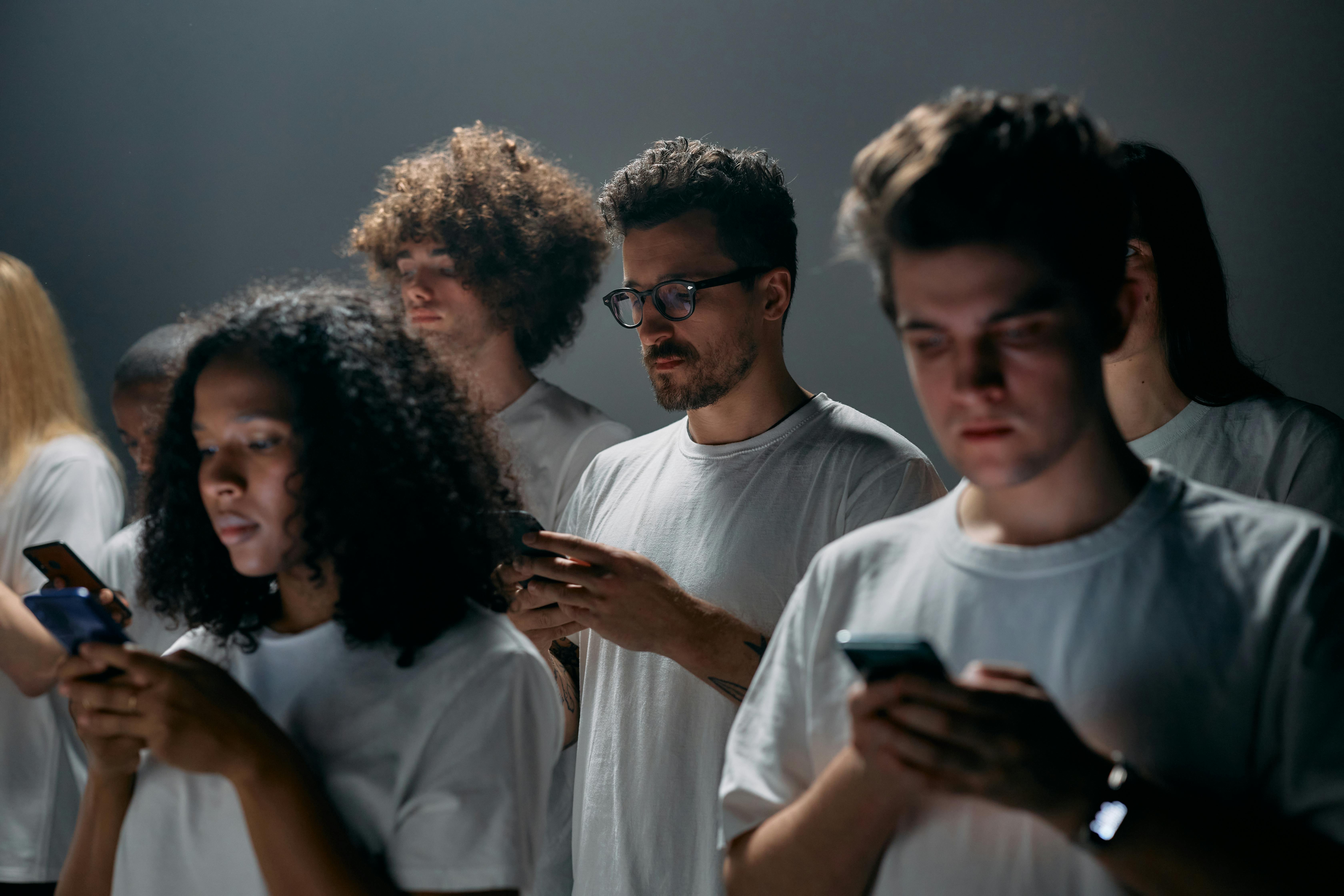
Studies in psychology and behavioral science point to a growing gap between passive interaction (scrolling, liking, watching) and active social engagement (talking, meeting, shared experiences). Passive use is associated with increased loneliness and social comparison, while active, face-to-face interactions are strongly linked to happiness, resilience, and long-term mental health.
Yet most mainstream platforms unintentionally discourage real-world connection. Algorithms prioritize content that keeps you online, not experiences that pull you offline. Friendships become content. Social life becomes performance.
Humans Are Built for Real-World Interaction
From an evolutionary perspective, humans are wired for in-person connection. Shared physical experiences—meeting up, laughing together, doing things side by side—activate social and emotional systems that simply don’t engage the same way through screens alone.
Research shows that:
- Face-to-face interactions build trust faster than digital ones
- Shared activities strengthen bonds more than shared content
- Belonging grows from participation, not observation
When social platforms replace interaction with consumption, they work against these fundamentals.
Where Traditional Social Media Falls Short
The issue isn’t technology itself—it’s what it’s optimized for. Most platforms:
- Reward attention, not participation
- Scale content, not community
- Amplify comparison instead of connection
Over time, this shapes user behavior. People post less authentically, interact more cautiously, and default to watching instead of joining. The result is a social ecosystem that looks busy on the surface but feels empty underneath.
Rill’s Research-Driven Approach to Social
Rill was built with a different question in mind: What if social media helped people actually be social?
Instead of centering feeds, followers, or performance, Rill focuses on:
- Getting people off their phones and into shared experiences
- Making it easier to say “yes” to plans, not just react to posts
- Lowering the friction of meeting new people in real life
This approach aligns with what research already tells us: community is built through action. When technology supports real-world interaction instead of replacing it, social media becomes a tool for connection rather than a substitute for it.
Reclaiming What “Social” Was Always Meant to Be
Social media doesn’t have to make us feel disconnected. It doesn’t have to compete with real life. When designed intentionally, it can be the bridge—not the barrier—between people.
Rill exists to help close the gap between online discovery and offline connection. Not by asking users to scroll more, but by giving them more reasons to show up, hang out, and build friendships that extend beyond the screen.
Because the future of social isn’t more content.
It’s more connection.